

Can Trauma Affect Marriage? Healing a Sacred Covenant
Can trauma affect marriage? See how past wounds shape trust, conflict, intimacy, and faith, and take compassionate steps toward healing together in Ch...
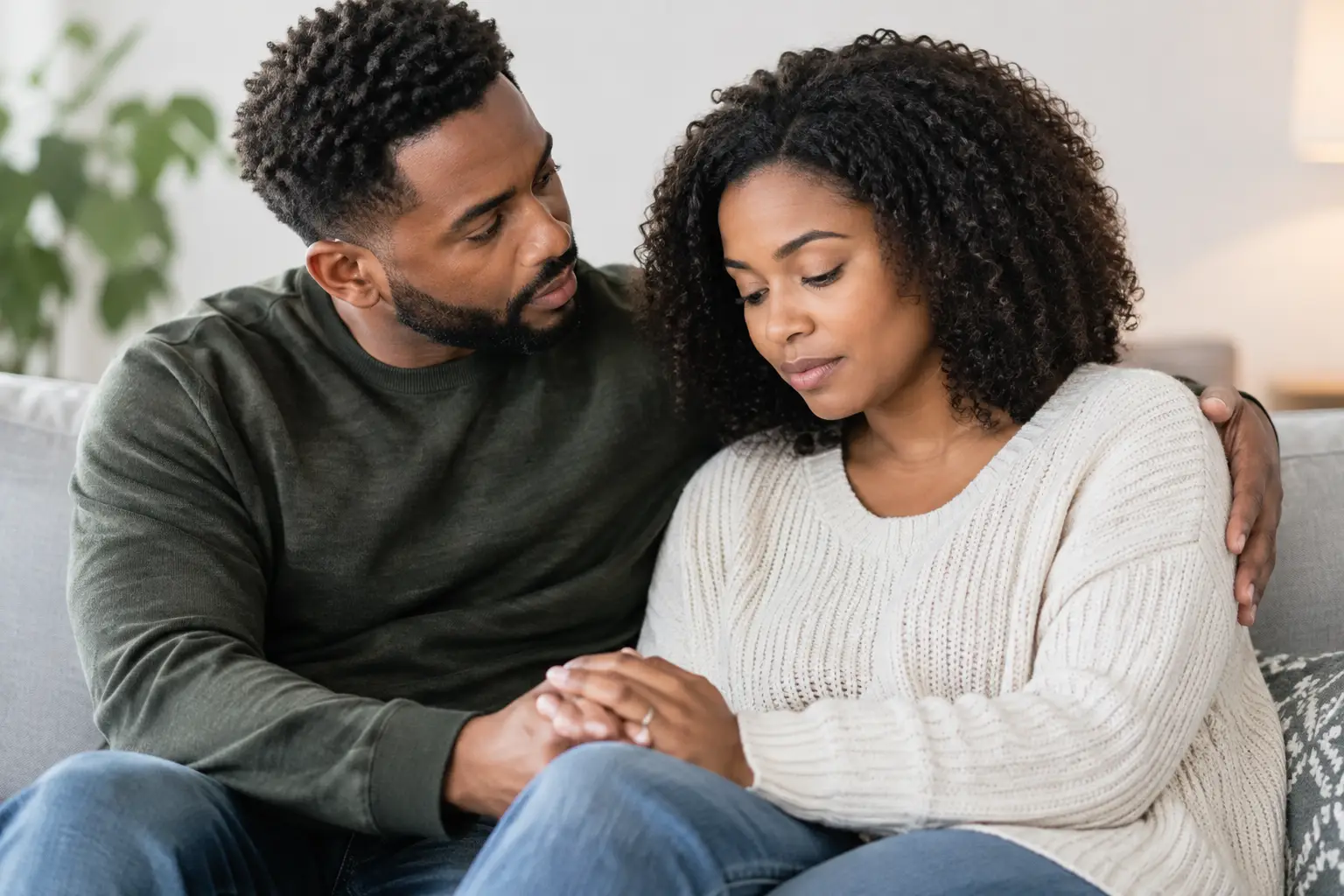
A loving spouse can be standing in front of you, offering reassurance, and yet your body may still brace for rejection, anger, abandonment, or danger. That disconnect can feel confusing and painful for both people. Can trauma affect marriage? Yes. It can shape how a husband or wife receives love, responds to conflict, experiences intimacy, and trusts the safety of the covenant.
But trauma does not get the final word over your marriage. The wounds of the past are real, and they deserve compassion, wisdom, and often professional support. They are not a verdict that your relationship is doomed. In Christ, healing can make room for deeper honesty, renewed connection, and a legacy that looks different from what either of you has known.
How Trauma Can Affect Marriage
Trauma is not limited to one type of experience. It may come from childhood neglect, abuse, betrayal, infidelity, divorce, grief, violence, racism, financial instability, a medical crisis, sexual harm, spiritual abuse, or years spent in an unpredictable home. Two people can go through similar events and carry them differently. What matters is not whether others think the experience was “bad enough,” but how it has affected a person's sense of safety, identity, and trust.
In marriage, trauma often shows up indirectly. A spouse may become quiet during disagreement because their nervous system learned that conflict leads to punishment. Another may become demanding or controlling because uncertainty once meant danger. Someone may struggle to receive affection, not because they do not love their spouse, but because closeness has been associated with hurt or disappointment.
This does not excuse cruel behavior, manipulation, or ongoing sin. It does, however, help a couple see that not every hard reaction is a lack of love. Sometimes it is an unhealed alarm. When couples stop treating every painful moment as proof that the other person is the enemy, they can begin to address the real issue together.
Trauma can make ordinary moments feel threatening
A delayed text, a changed tone of voice, a request for space, or a disagreement about money may seem small to one spouse and feel enormous to the other. The reaction may be disproportionate to the moment because the moment has touched an old wound.
This is one reason facts alone do not always settle an argument. Saying, “I would never leave you,” is meaningful, but a traumatized heart may need repeated safety, consistent follow-through, prayer, and time before it can fully receive that assurance. Patience is not weakness. It is one way covenant love becomes visible.
Trauma can distort communication and conflict
Some people fight to be heard. Others shut down, go numb, or avoid difficult conversations altogether. Neither pattern creates the kind of unity a marriage needs, but both can be learned responses to pain.
A helpful shift is to name the pattern without attacking the person. Instead of saying, “You always overreact,” try, “I can see this feels bigger than our conversation right now. I want to understand what feels unsafe.” Instead of saying, “You never talk to me,” try, “When we stop talking, I feel alone. Can we take a break and return to this at a specific time?”
This kind of language does not remove accountability. It creates enough emotional room for accountability to be heard.
Trauma can affect intimacy
Emotional and physical intimacy require trust. When trauma has involved betrayal, abandonment, violence, or sexual harm, closeness may bring fear, shame, numbness, or a sense of pressure. A spouse may interpret hesitation as rejection, while the other feels unseen or unsafe.
This is a place for tenderness, not entitlement. Marriage is a covenant of mutual self-giving, never coercion. Couples may need to slow down, communicate more clearly, establish consent and boundaries, and seek counseling from a qualified, trauma-informed Christian professional. Prayer is powerful, and wise care is not a contradiction to faith. God can work through skilled support, truthful conversation, and patient rebuilding.
When One Spouse Has Trauma and the Other Does Not
The spouse who did not experience the trauma may feel helpless, confused, or unfairly blamed. They may think, “I did not cause this, so why am I carrying the consequences?” That question is understandable. Supporting a wounded spouse does not mean accepting mistreatment or disappearing from your own needs.
A healthy response holds two truths at once: your spouse's pain deserves compassion, and your marriage needs healthy boundaries. You can say, “I want to walk with you, but I cannot continue this conversation while I am being yelled at,” or, “I believe you are hurting, and we need help learning a different way to handle this.” Love is patient, but it is also truthful.
The goal is not for one spouse to become the other's therapist or savior. Jesus is Savior. A spouse is called to be a faithful companion - present, prayerful, honest, and willing to pursue help - while also remaining emotionally and physically safe.
Healing Trauma in Marriage Takes More Than Good Intentions
A heartfelt apology, a romantic weekend, or a promise to “do better” may bring hope, but trauma usually requires a more intentional path. Healing often includes grieving what was lost, identifying triggers, learning new responses, and practicing trust in small, consistent ways.
Start by creating a calm time to talk, not in the middle of an argument. Each spouse can share what helps them feel safe and what tends to activate fear or shutdown. Keep the conversation specific. “When voices get loud, I struggle to stay present,” is more useful than, “You make me feel terrible.” “When you leave the room without telling me when you will return, I panic,” gives your spouse something clear to understand and respond to.
Then make practical agreements. Perhaps you agree not to threaten divorce during conflict. Perhaps you use a pause phrase and commit to return within 30 minutes. Perhaps you schedule a weekly check-in that includes prayer, gratitude, and one issue to address gently. Small rhythms can restore confidence because they show that both people are willing to protect the relationship.
Individual counseling can be essential, especially when trauma symptoms are intense or longstanding. Couples counseling can help partners communicate without repeating harmful cycles. If there is current abuse, coercion, violence, or fear for anyone's safety, the priority is protection and immediate support - not joint counseling as a substitute for safety. Reconciliation is never a requirement to remain in danger.
Faith Does Not Require You to Pretend You Are Fine
Christian couples sometimes carry the burden of believing that enough prayer should make pain disappear instantly. Prayer is not a performance, and healing is not measured by how quickly someone stops struggling. The Psalms give language to grief, fear, anger, and hope. God is not intimidated by the parts of your story that still ache.
Bring the real marriage before Him. Pray honestly: “Lord, show us what is driving this reaction. Heal what happened before we met. Teach us to love without fear.” Invite God into the practical work too: the therapy appointment, the hard apology, the boundary, the repaired conversation, and the decision to try again tomorrow.
Forgiveness is also often misunderstood. Forgiveness does not mean calling evil good, ignoring consequences, or rushing back into closeness before trust has been rebuilt. It is a release of vengeance to God. Rebuilding trust, by contrast, requires evidence over time. Both can be part of a faithful journey.
A Marriage Can Become a Place of Restoration
Your history may explain some of your reactions, but it does not have to define the future of your home. A marriage marked by trauma may need more patience, more structure, and more support than either spouse expected. That is not failure. It is an invitation to build with truth instead of appearances.
As you pursue healing, remember what you are protecting: not merely peace for one evening, but a sacred covenant, a stronger family story, and a legacy of love that future generations can inherit. With humility, wise support, and the presence of God, the places that once felt impossible to discuss can become places where grace begins its restoring work.