

How to Heal Family Wounds With Faith and Truth
Learn how to heal family wounds through prayer, honest boundaries, forgiveness, and wise support, building a peaceful home and a lasting legacy today....
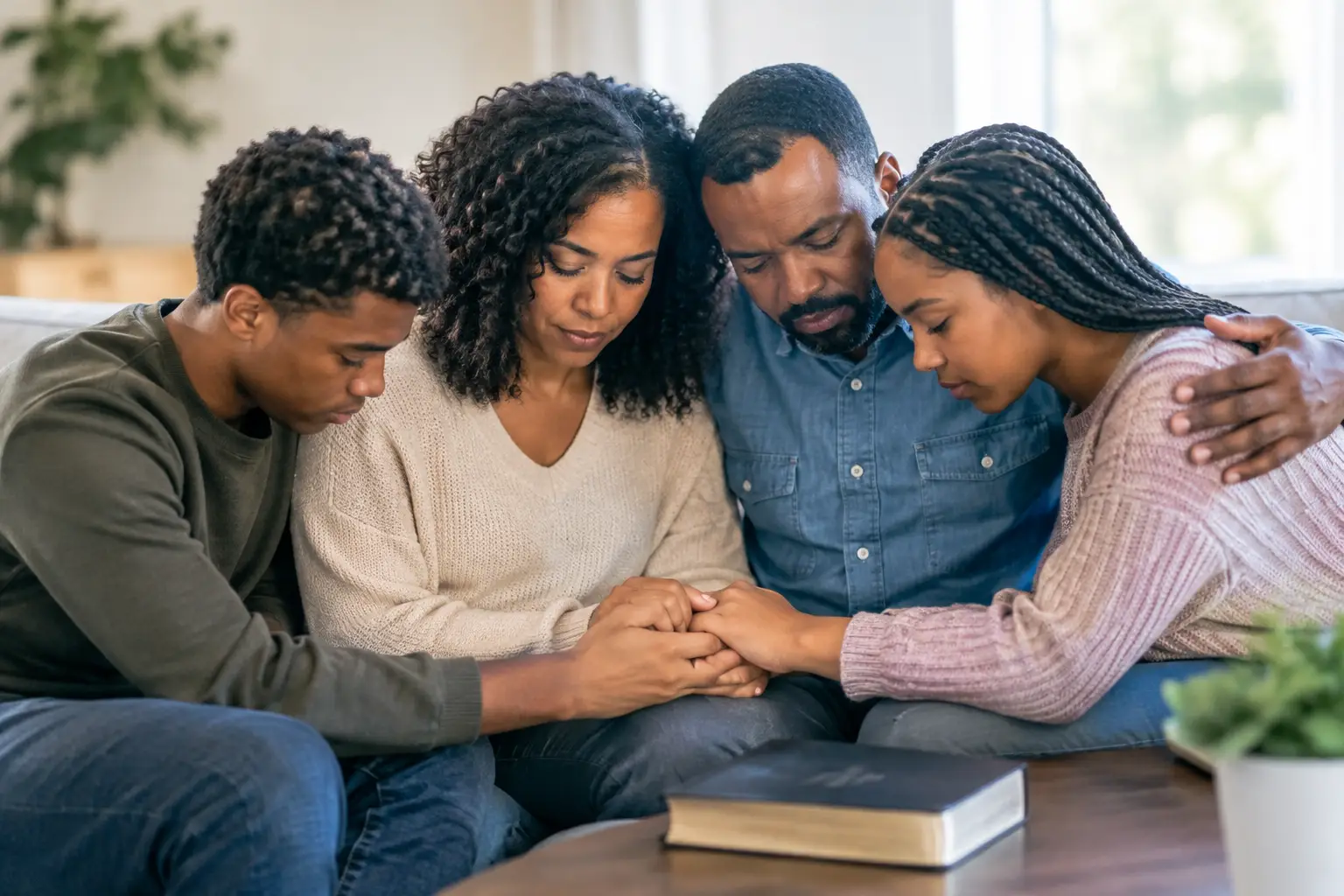
Some family pain has a long memory. A cutting comment from childhood, a parent who was absent when you needed them, a sibling rivalry that never faded, or a betrayal that changed every gathering can follow you into adulthood, dating, marriage, and parenting. Learning how to heal family wounds is not about pretending the pain never happened. It is about bringing truth into the light and allowing God to restore what pain, silence, and broken patterns have damaged.
Family wounds often show up most clearly in the relationships we value most. You may shut down when conflict rises because that was how peace was kept in your childhood home. You may expect abandonment, over-explain yourself, avoid vulnerability, or carry a deep need to be chosen. These responses are understandable, but they do not have to become your future.
Healing Family Wounds Begins With Honest Naming
What is unnamed often remains in control. Many believers have been taught to move on quickly, honor family at all costs, or forgive before they have even admitted what occurred. Honor matters deeply. Forgiveness matters deeply. But neither requires denial.
Ask the Lord to help you identify the wound beneath the reaction. Was it rejection? Neglect? Favoritism? Emotional volatility? Addiction? A parent’s unresolved trauma? Spiritual manipulation? The goal is not to build a case against your family or rehearse every offense. The goal is clarity. You cannot bring to God what you refuse to acknowledge before Him.
Naming the truth also helps you separate a person from a pattern. Your mother may have loved you and still lacked the emotional capacity to care for you well. Your father may have provided financially and still left a painful absence. Both realities can be true. Mature healing makes room for complexity without minimizing harm.
For married couples, this work is especially significant. A spouse is often not the source of the wound, yet they may be the person who feels its impact. When you can say, “I am not trying to punish you. This situation is touching an old place of fear in me,” you create room for compassion instead of escalation.
Bring the Wound Before God, Not Just Your Memory
Family healing is spiritual work as well as emotional work. Memory can replay a painful moment with all its original force, but prayer invites God into the memory with His truth, comfort, and authority. The Lord does not ask you to carry grief alone or manufacture healing through positive thoughts.
Begin simply. Tell God what you lost. Grieve the safety, affirmation, protection, guidance, or tenderness you did not receive. Scripture does not portray grief as weak faith. Tears can be an act of trust when they are poured out before the One who sees fully.
Then ask the Holy Spirit to expose the agreements that formed around the wound. A child rejected by a parent may begin believing, “I am hard to love.” Someone raised in chaos may decide, “I must control everything to be safe.” These beliefs can quietly shape a marriage, a friendship, and even the way someone receives God’s love.
God’s truth is not a slogan placed over an open wound. It is a foundation rebuilt over time. As you pray, replace false agreements with what God says: you are seen, you are not abandoned, you are worthy of love, and your story is not limited to what was done to you.
Forgiveness Is Release, Not Permission
Forgiveness is central to Christian faith, but it is frequently misunderstood. Forgiveness does not call evil good. It does not erase consequences, require restored access, or demand that you trust an unsafe person. It means releasing your right to personally collect the debt and placing justice in God’s hands.
That release may be a decision you make once, then return to many times. When fresh anger rises, you may need to say again, “Lord, I release this person to You. Heal what this offense planted in me.” That is not failure. It is often the steady work of choosing freedom.
Reconciliation, however, requires more than one willing heart. It requires truth, repentance, safety, and changed behavior. If a family member continues to manipulate, threaten, demean, or abuse, reconciliation may not be wise or possible right now. You can forgive and still set a boundary. You can pray for someone and still refuse to participate in destructive cycles.
If there is current abuse, violence, coercion, or danger, prioritize safety and seek immediate help from trusted local authorities, a licensed counselor, or a trained advocate. Faith never requires you to remain in harm’s way.
Set Boundaries That Protect Peace and Honor Truth
Boundaries are not punishment. They are clear statements about what you will and will not participate in. They can be especially difficult for Christians who have confused love with unlimited availability. Yet Jesus loved people fully without surrendering to every demand, accusation, or attempt to control Him.
A boundary might sound like, “I want a relationship with you, but I will leave the conversation if yelling begins.” It may mean declining to discuss your marriage with a relative who uses private details as ammunition. It may mean changing holiday plans, limiting phone calls, or refusing to expose your children to ongoing conflict.
Be direct, calm, and consistent. Long explanations often invite a debate with someone who has no intention of honoring your limit. You do not need permission to protect the peace of your home. At the same time, examine your heart. A boundary should create order and safety, not become a weapon for revenge.
For couples, unity matters. Discuss family boundaries privately before responding publicly. Do not leave your spouse to face criticism alone from your relatives. A healthy marriage forms a new household, and protecting that covenant is part of building a legacy that lasts.
Choose Wise Support for the Healing Process
Some wounds need more than a private prayer journal and a determined attitude. God often brings healing through wise community. A mature pastor, Christian counselor, support group, or trusted mentor can help you recognize patterns that feel normal because they have been familiar for so long.
This is not a sign that your faith is insufficient. It is an act of humility. Counseling-informed support can help you process trauma, build communication skills, regulate intense emotions, and make decisions about contact with family members. Prayer and practical care belong together.
If you are engaged or married, invite your partner into the process at the right pace. They do not need every detail immediately, but they do need enough understanding to love you well. Share what triggers you, what support feels helpful, and what kind of response makes you feel safe. This turns hidden pain into an opportunity for deeper connection.
Create a Different Legacy in Your Own Home
Healing does not always end with a restored relationship with the people who hurt you. Sometimes the most powerful evidence of healing is the home you build next. You can create a family culture where apologies are specific, emotions are welcomed, conflict is addressed without contempt, and prayer is a refuge rather than a performance.
For singles, this work is preparation for covenant. Healing family wounds helps you choose a future spouse from wisdom rather than from unmet needs. It helps you recognize whether you are drawn to familiar dysfunction because it feels like home. A healthy marriage cannot heal every childhood pain, but it can become a place where new patterns are practiced faithfully.
For married couples, do not use your family history as an excuse to remain stuck. Let it become an invitation to grow. Learn to repair after conflict. Speak blessing over one another. Refuse contempt. Make room for prayer, laughter, accountability, and honest conversations. The legacy you give your children and community is shaped in ordinary moments of courageous love.
Healing may be gradual, and some relationships may remain limited. But the wound does not get the final word. Bring what is broken to Jesus, walk in truth, and take the next faithful step. A peaceful home is not built by a perfect family history. It is built by people who choose, again and again, to let God make all things new.